Sump Pump Service
Sump Pump Installation and Repair in Eau Claire
If your sump pump has stopped and water is rising, call now.
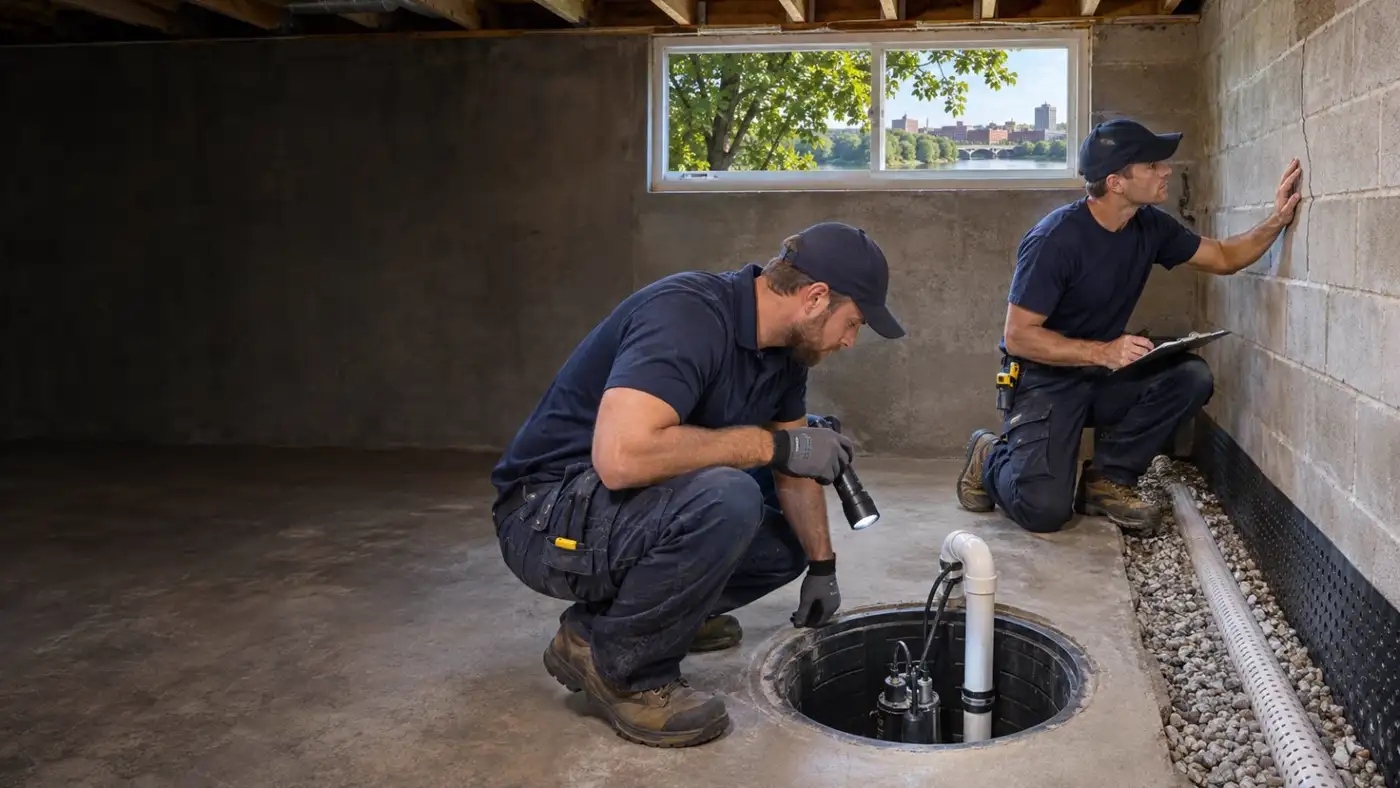
Your sump pump moves groundwater out of the pit and away from the house before it can rise into the basement. When it stops, water can collect quickly, especially during snowmelt or a heavy storm. Sump pump installation and repair in Eau Claire focuses on getting the whole system working again.
A failed pump may be the problem, or it may be a stuck float, a broken check valve, or a frozen discharge line. We look at the pit, pump, and discharge route together. Then we explain whether a repair, replacement, or backup pump makes sense.
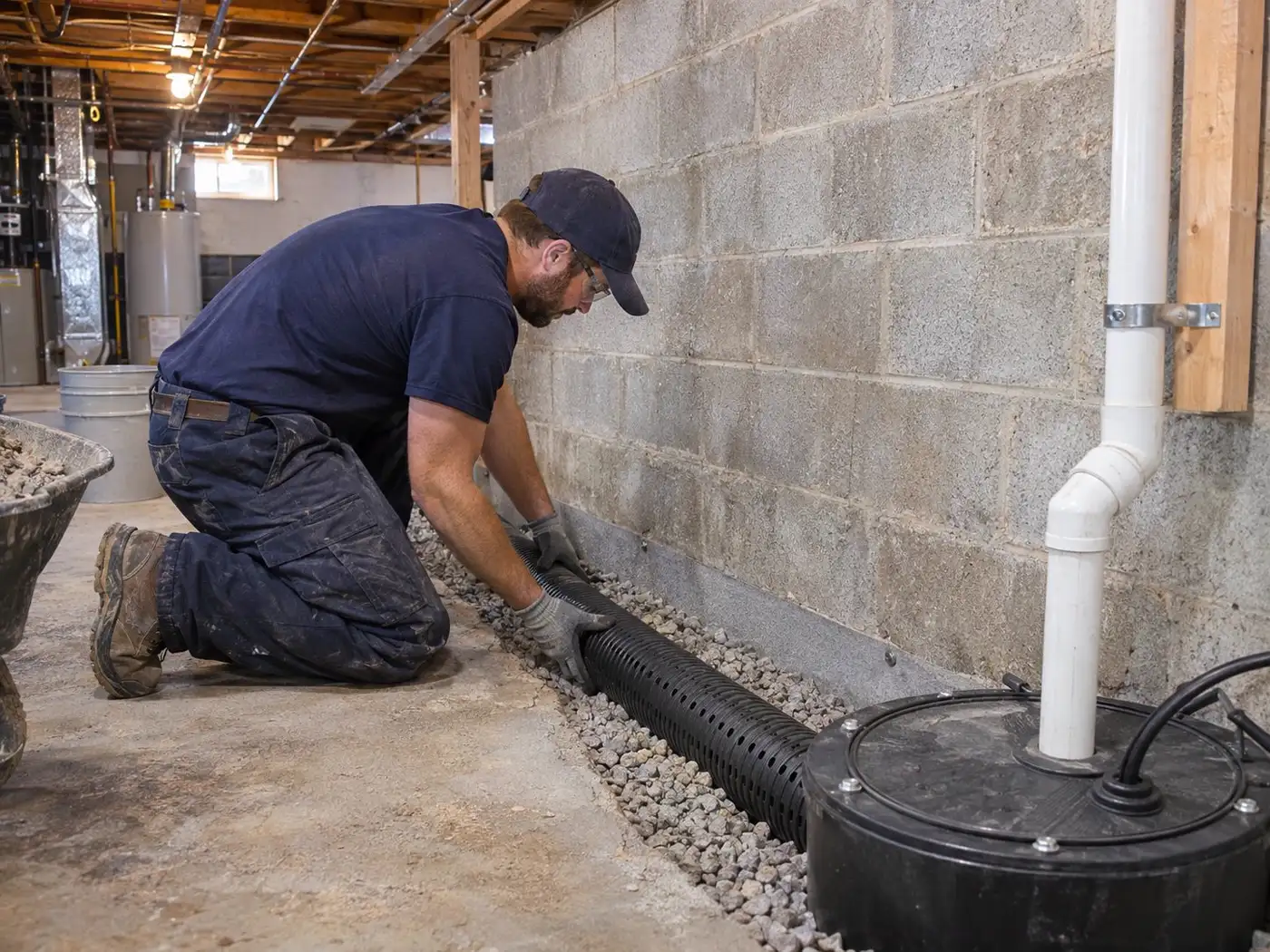
A new pump is sized to the water your home sees and set in a basin that sits low enough to collect from the drain tile. Installation includes a check valve, a properly sloped discharge line, and a lid on the pit. For homes without a pit, a new basin may be added.
Many pump problems trace to a stuck or tangled float switch, a clogged intake, debris in the impeller, or a failed check valve. Some can be repaired directly. When the motor is worn, rusted, or overheating, replacement is often more reliable than a repair, especially ahead of spring.
A battery backup pump sits in the same pit and runs when power goes out or the main pump cannot keep up. Storms that bring heavy rain often bring outages, so a backup can protect the basement when it is most at risk. Batteries need periodic testing and eventual replacement.
Discharge lines that run across the yard or into buried pipe can freeze in a Wisconsin winter, leaving the pump with nowhere to send water. Rerouting the line, improving its slope, or adding a freeze-relief fitting near the house can keep water moving even when the outlet is blocked by ice.
An old pit may be too small, unlined, or missing a lid. A small pit fills fast and makes the pump cycle on and off, which shortens its life. Replacing it with a larger, sealed basin can reduce short cycling, keep debris out, and limit moisture and odors from the pit.
A sump system collects groundwater from around and under your foundation and pumps it outside before it can rise into the basement. When it works, you barely notice it. When it fails, water can build up quickly.
The pit is a hole in the basement floor, usually lined with a plastic basin. Drain tile around the footing feeds water into it. The basin should be large enough for the water your home sees, have a lid to keep debris out, and sit low enough to collect from the drain lines.
The float switch tells the pump when to turn on and off. As water rises, the float lifts and starts the pump. A float that sticks, tangles on the cord, or rubs the basin wall is one of the most common reasons a pump fails to start.
The discharge line carries water from the pump to the outside. A check valve on that line stops water from falling back into the pit after the pump shuts off. Without one, the pump may cycle more often and wear out sooner.
Some warning signs show up well before a pump fails completely.
Grinding, rattling, or loud humming can mean a worn motor or debris in the impeller. A pump that turns on and off every few seconds may have a stuck float, a bad check valve, or a pit that is too small.
If the motor runs but the water level does not drop, the intake may be clogged or the discharge line may be blocked or frozen. A pump that runs constantly can overheat and burn out.
Many pumps last several years, but heavy use shortens that. Rust, corrosion on the housing, or a pump that has needed repeat repairs are good reasons to consider a replacement before the next wet season.
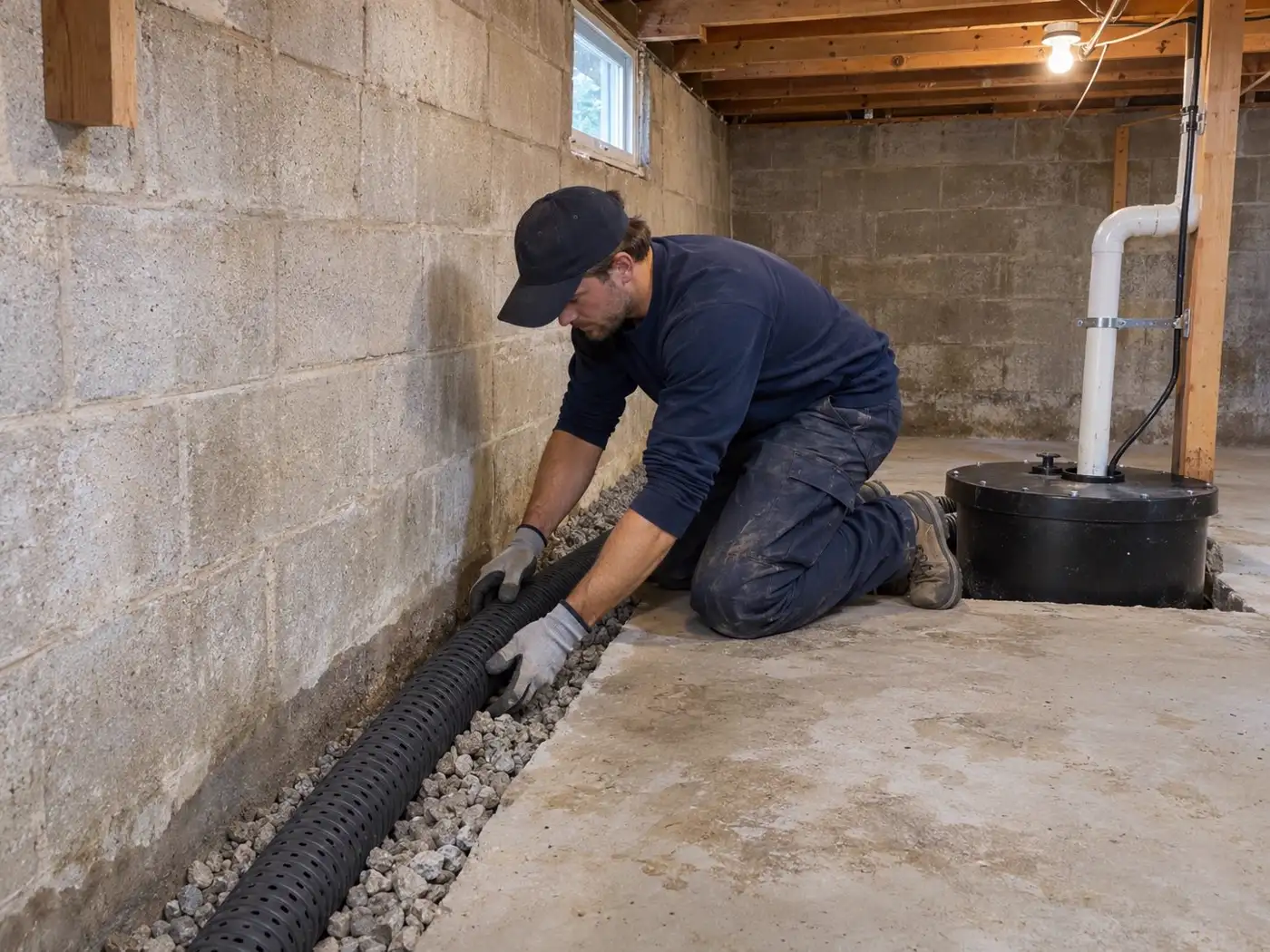
Storms often bring power outages, and that is exactly when the pump is needed most. A battery backup pump sits in the same pit and takes over if the main pump loses power or cannot keep up. The battery needs periodic checking and eventual replacement.
A high-water alarm can warn you before water reaches the floor. Homes with heavy inflow may benefit from a second primary pump set slightly higher in the pit to share the load.
Wisconsin winters create a problem many people do not expect. Discharge lines that run across the yard or into a buried pipe can freeze solid. When that happens, the pump has nowhere to send water. Proper slope, an outlet that drains, and a freeze-relief fitting near the house can help.
Spring is the other test. Heavy snowmelt and rain on frozen ground can send a steady flow into the pit for days. Sandy outwash soils across the Chippewa Valley move water quickly, and homes near the Chippewa and Eau Claire rivers may sit close to a high water table. Pockets of clay can hold water against the foundation, and older block or stone walls often let more of it through.
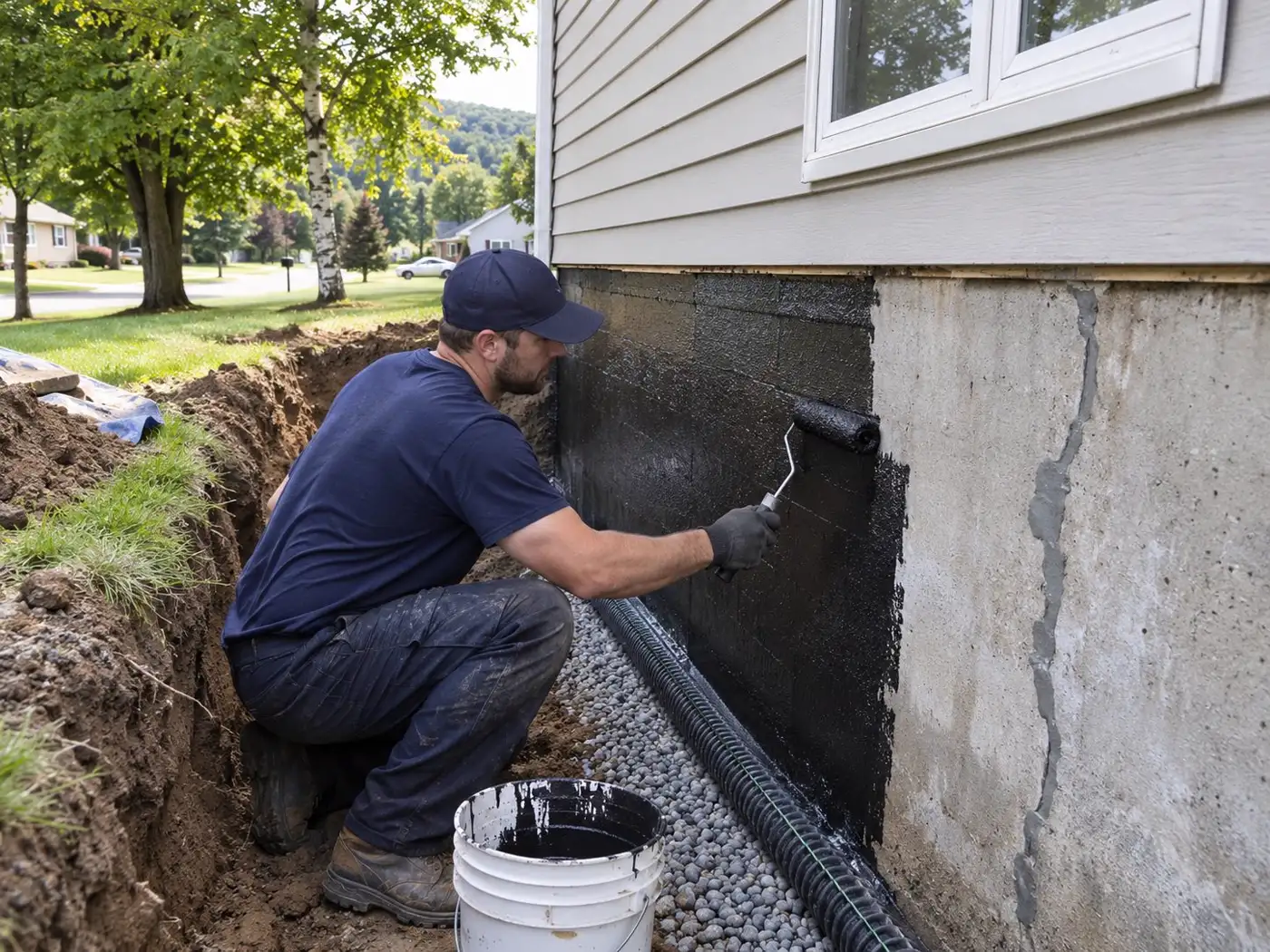
Many Eau Claire homes, especially low lots near the rivers and around Half Moon Lake, rely on a sump pump for much of the year. Older houses may have a pit that was added later, sometimes too small or without a lid. Newer homes often have a pit from construction, with a pump that has never been tested under a real spring load.
We look at the pit, pump, float, check valve, and discharge route together. A failed pump is often a symptom of something else in the system, and fixing only the pump may leave the real problem in place.
We look at the pit, float, check valve, and discharge line, not only the pump motor.
We explain how battery backups and alarms work so you can decide what protection fits.
Discharge routes are planned with frozen ground and heavy spring snowmelt in mind.
Sump pump stopped, running nonstop, or making noise? Call us to describe what is happening so we can help you get water moving again.
Get a Free EstimateCall (715) 597-7139
Free — no obligation
We ask whether the pump stopped, runs constantly, makes noise, or cycles often, and how high the water has risen.
We check the float switch, motor, intake, check valve, power supply, and the full discharge route out to the yard.
We explain whether a repair, a new pump, a larger basin, a backup pump, or discharge changes make the most sense.
The pump and parts are installed or repaired, with the check valve and discharge line set to drain properly.
We run water into the pit to confirm the pump starts, empties the basin, shuts off, and discharges away from the house.
Many sump pumps last several years, but heavy use, debris in the pit, and frequent cycling can shorten that. A pump that runs often in a wet basement may wear out sooner than one in a drier home. Rust, loud noise, or repeat repairs are signs it may be time for a replacement.
In homes near a high water table, groundwater can keep flowing into the pit even in dry weather, especially in spring. A pump can also run without reason if the float is stuck, the check valve lets water fall back, or the pit is too small and refills quickly.
The discharge should carry water far enough from the house that it does not soak back toward the foundation, and it should slope so it drains. Many communities do not allow sump water into the sanitary sewer. The right outlet depends on your yard, local rules, and where water can drain.
A working pump still depends on power. Storms that send the most water into the pit often knock out electricity, and a pump can also fail without warning. A battery backup takes over in those moments. Whether it is worth adding depends on how much your pump runs and what is stored or finished below.