Dry Crawl Space Solutions
Crawl Space Encapsulation in Eau Claire
Find out what your crawl space needs.
A crawl space with bare dirt, open vents and damp wood can send moisture and musty air into the rooms above. Encapsulation seals the space with a heavy vapor barrier, closes the vents and keeps humidity under control. In Eau Claire, humid summers and wet springs make this a common need.
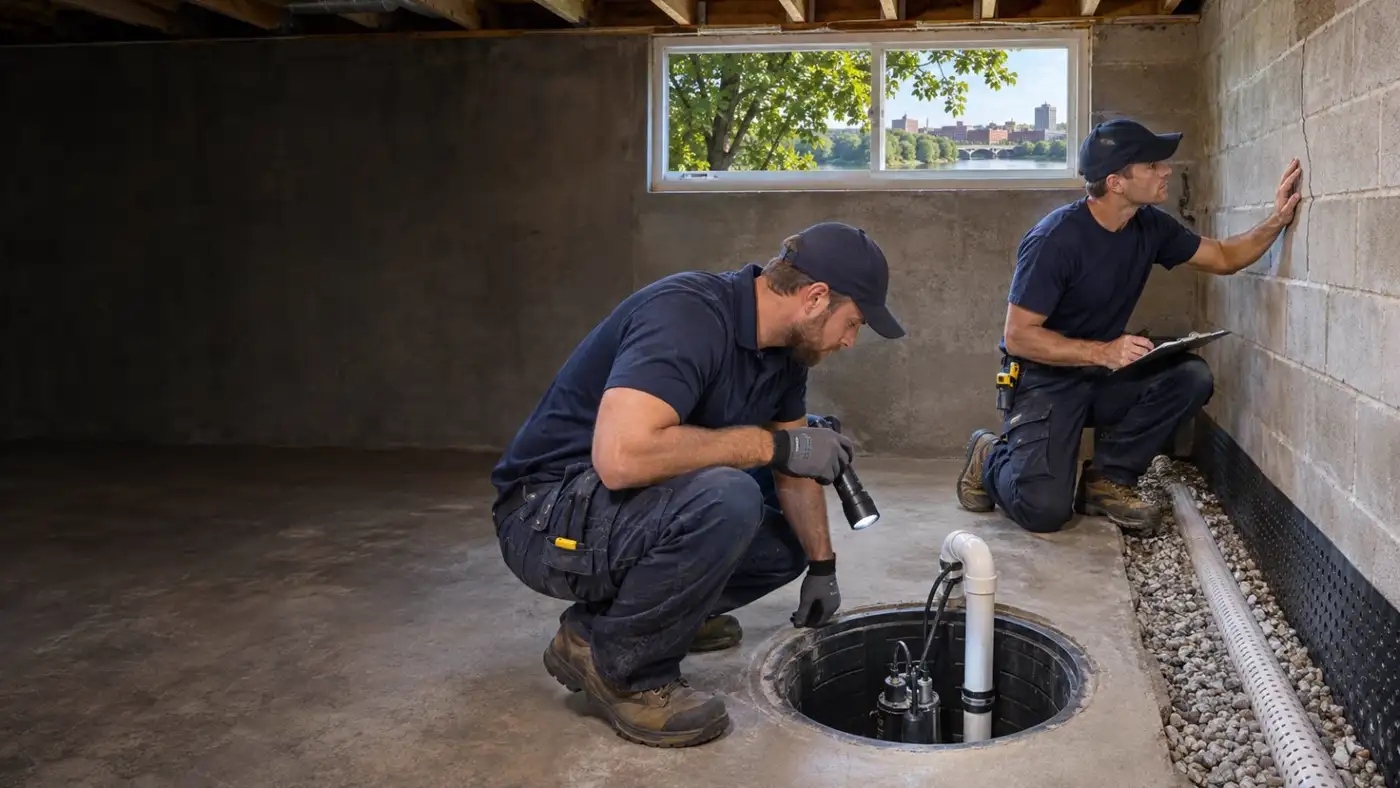
We start by checking moisture levels, the condition of the wood, and where water may be getting in. Some crawl spaces need drainage first. Others mainly need sealing and a dehumidifier. We will explain what we find and which steps make sense for your home.
We install a heavy, reinforced liner across the crawl space floor and up the foundation walls. Seams are overlapped and taped, and the liner is sealed around piers and posts. This blocks moisture from the soil and gives you a cleaner surface if you ever need to get into the space.
Open foundation vents and gaps at the rim joist let humid summer air and cold winter air flow through the crawl space. We close and seal vents, fill gaps around pipes and wires, and seal the access door so the space stays separated from outdoor air.
Once the space is sealed, insulating the foundation walls and rim joists is often more effective than insulation between the floor joists. It keeps the crawl space closer to house temperature, may help floors feel warmer, and avoids damp fiberglass hanging from the joists.
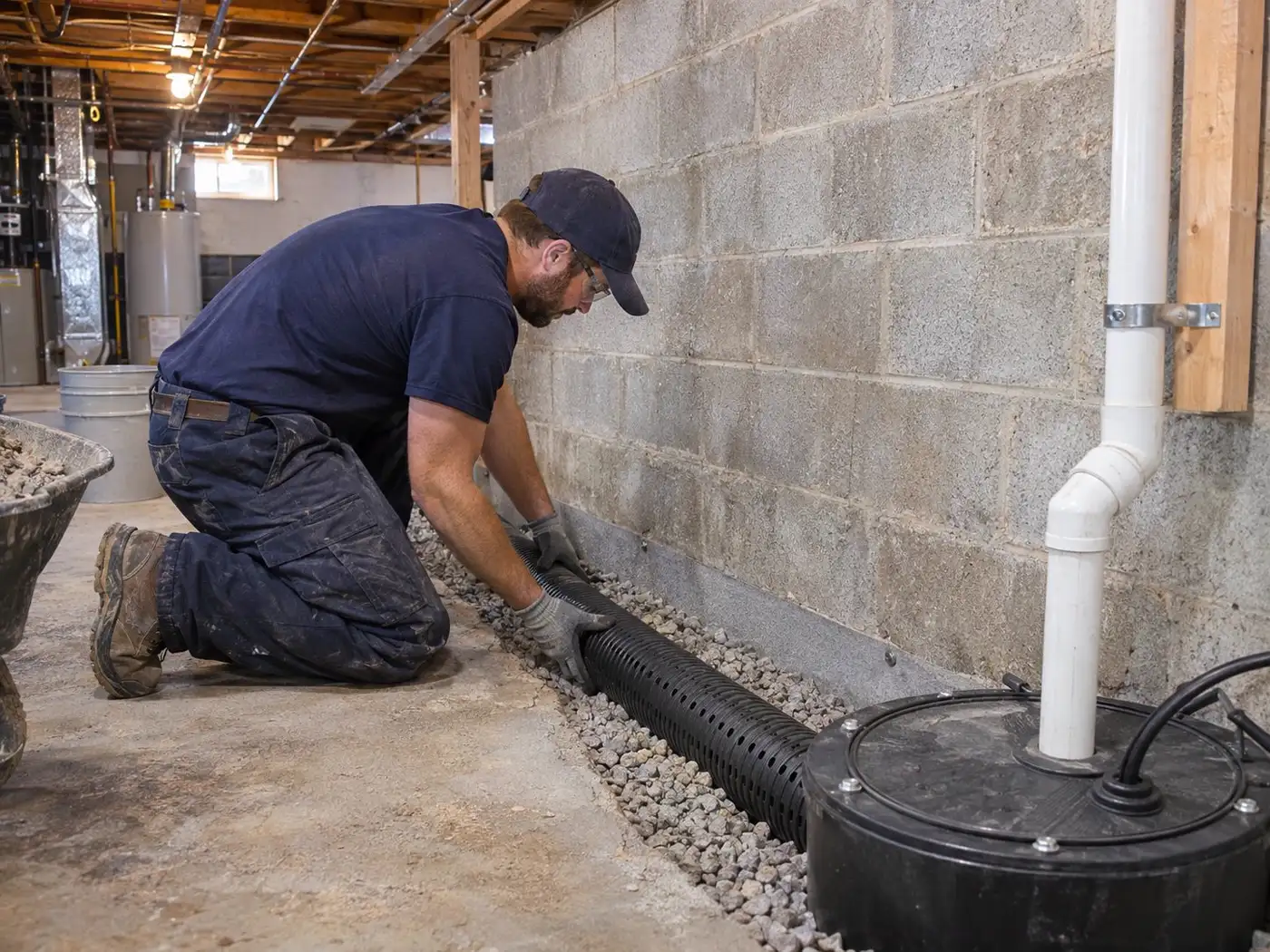
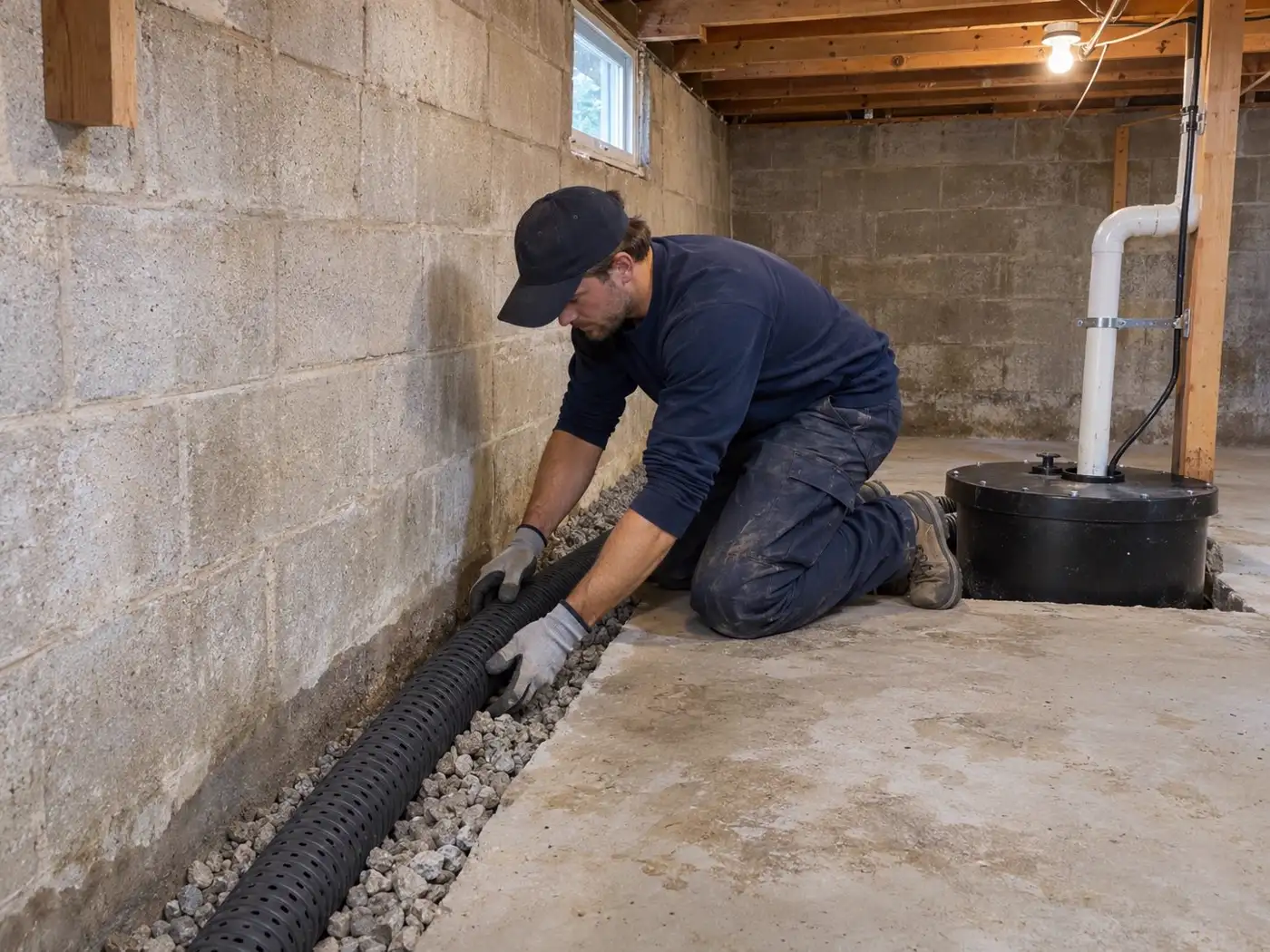
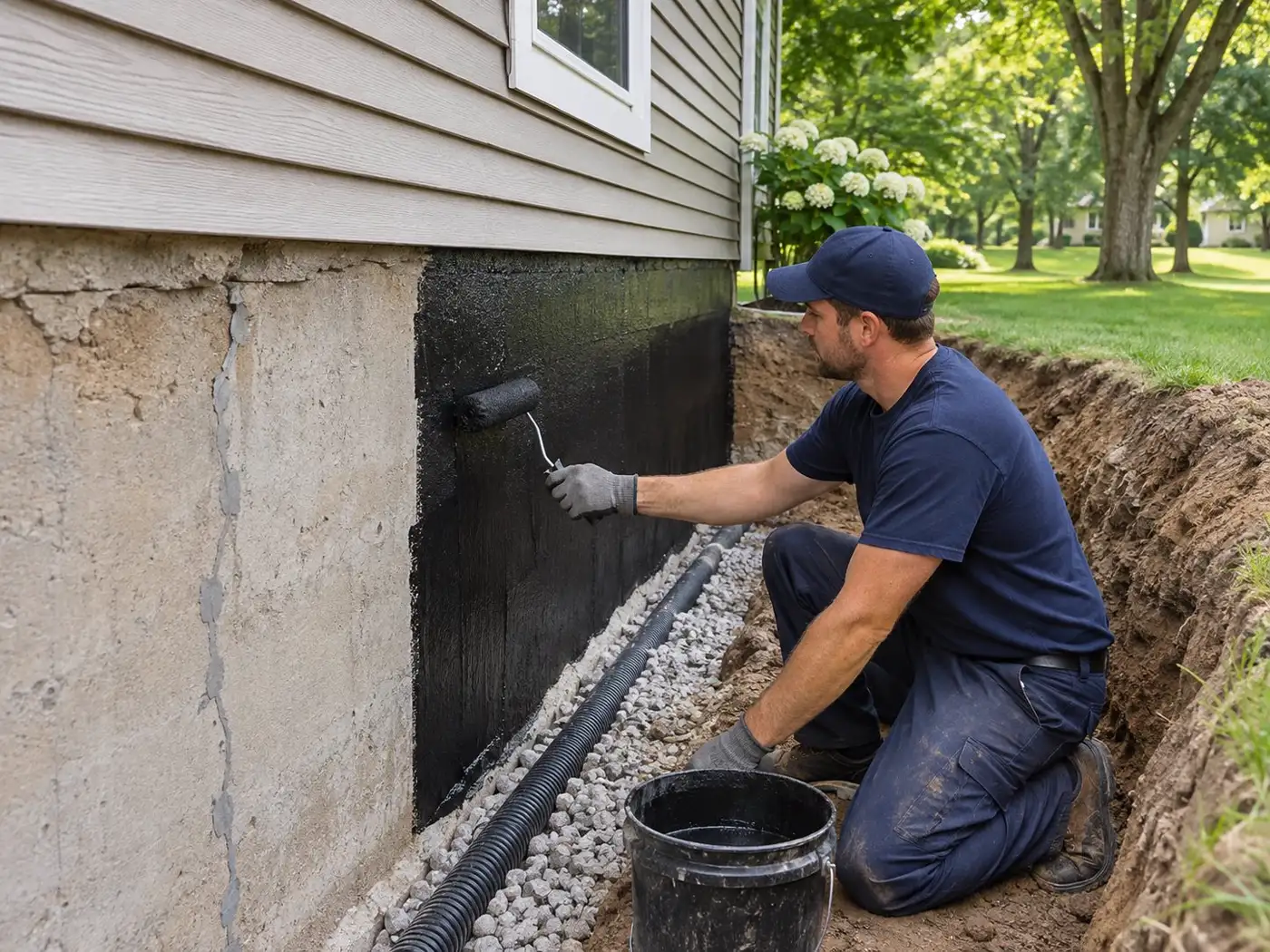
If water seeps in during snowmelt or heavy rain, a liner alone will not handle it. We can add a drain line along the low side or perimeter under the liner and route it to a small sump pit so water leaves before it can collect.
A dehumidifier sized for crawl spaces holds humidity at a steady level after the space is sealed. It drains to a pump or a floor drain, so there is no bucket to empty. Keeping humidity in check helps protect the wood and cuts musty odors upstairs.
A crawl space sits right on the ground, often with a dirt or gravel floor. It is shaded, cool and usually poorly ventilated. Those conditions make it easy for moisture to build up, even when you never see standing water.
Soil gives off water vapor all the time. A bare dirt floor can release a surprising amount of moisture into the space, and a thin, torn plastic sheet does little to stop it. Groundwater and surface runoff can also seep in through the walls or footing.
Many crawl spaces were built with vents to let air move through. In summer, those vents let in warm, humid outdoor air. When that air hits the cooler surfaces inside the crawl space, moisture condenses on wood, ducts and pipes. Vents can make a crawl space wetter, not drier.
Encapsulation treats the crawl space as part of the house, not as outdoors. Each piece below works with the others.
A thick, reinforced plastic liner covers the floor and runs up the walls. Seams are overlapped and taped, and the liner is fastened to the walls and sealed around piers. This blocks ground moisture from entering the air.
Foundation vents are closed and sealed. Gaps at the rim joist, around pipes and wires, and at the access door are sealed too. This stops humid outside air from cycling through. If a furnace or water heater draws air from the crawl space, we check that it will still have a proper air supply once the space is closed up.
Once the space is sealed, insulation usually goes on the foundation walls and rim joists rather than between the floor joists. This keeps the crawl space closer to the temperature of the house and can make floors above feel warmer in winter.
If water gets into the crawl space, it needs a way out. A drain line under the liner and a small sump pit may be added. A dehumidifier made for crawl spaces then holds the humidity at a steady level all year.
Warm air rises and leaves through the upper floors and attic. As it does, it pulls air up from below. This stack effect means a good share of the air you breathe on the main floor can start in the crawl space. If that space is damp and musty, the house can smell that way too.
Long-term dampness also lets mold grow on joists and subfloor. Wood that stays wet can start to rot, and soft or sagging floors may follow. Damp crawl spaces can also attract insects and rodents.
Summers in western Wisconsin are often warm and humid, which is when vented crawl spaces pick up the most moisture. Spring snowmelt can push water into low crawl spaces, and high groundwater near the Chippewa and Eau Claire rivers can keep the soil wet for weeks. Pockets of clay hold water near the foundation, while sandy outwash soils let groundwater move in quickly. In winter, deep frost and cold air through open vents can chill floors and put pipes at risk.
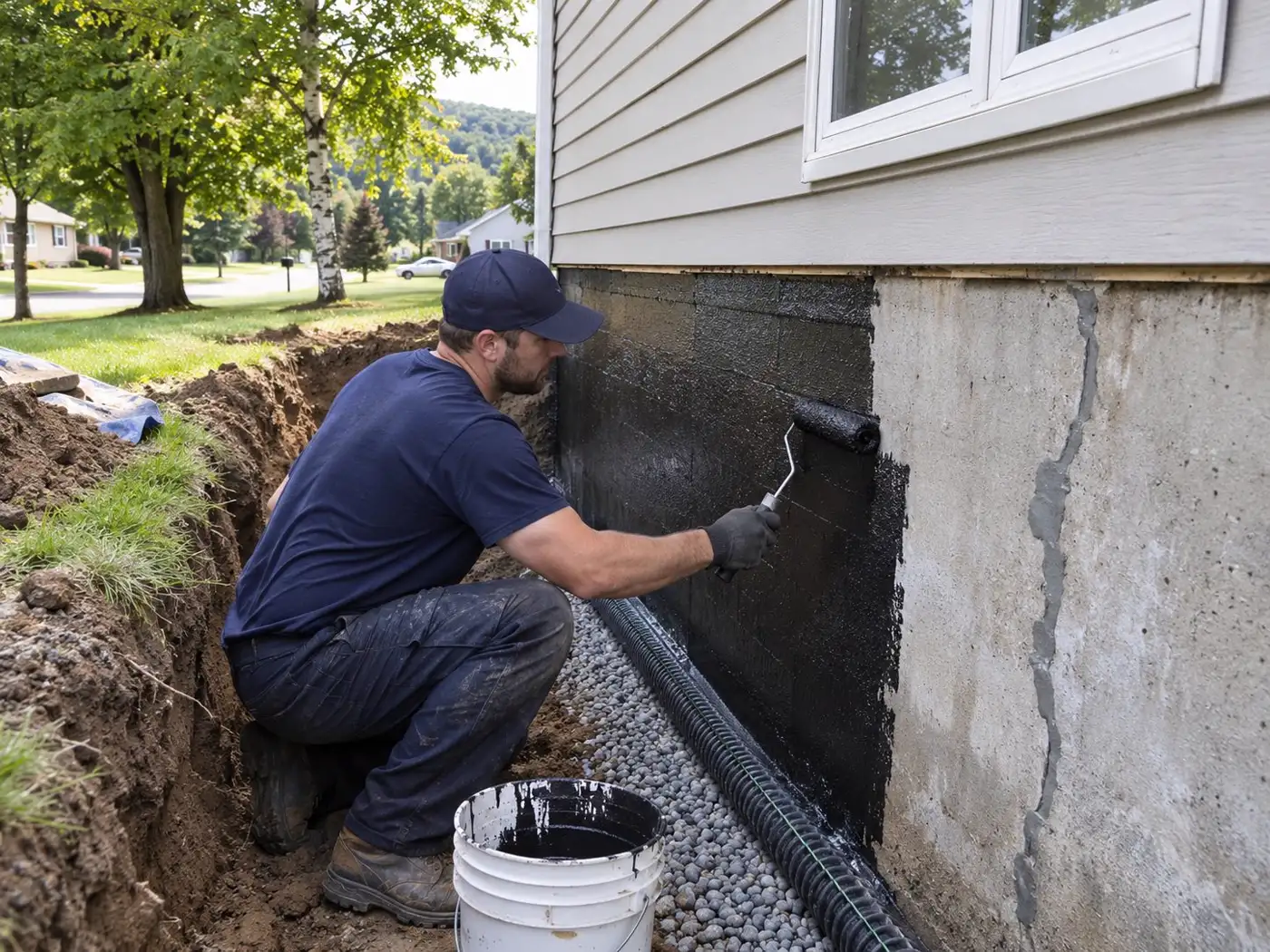
Crawl spaces in Eau Claire often show up in older homes, in additions built onto houses with full basements, and under porches and sunrooms. Many have a mix of dirt floor, old plastic and vents that were never closed. Some sit next to a basement and share its moisture problems. Additions and sunrooms often have shallow footings and little drainage, so they can take on water during spring melt even when the main basement stays dry. We look at the whole foundation, not just the crawl space, so the fix fits how the house actually behaves.
We look at joists, sill plates and subfloor for mold or rot before we seal anything.
We deal with seepage and drainage before lining, so water is not trapped under the barrier.
We consider how your crawl space connects to the basement and living areas above it.
Tell us what you notice in your crawl space or the rooms above it. We can check the space and explain what it needs.
Get a Free EstimateCall (715) 597-7139
Free — no obligation
We check humidity, wood moisture, signs of mold or rot, vents, insulation and any spots where water gets in.
We explain the plan, then clear debris, old plastic and failed insulation so the space is ready for new work.
If water enters, we add a drain line and sump pit under the liner area before any sealing begins.
We install the vapor barrier liner, seal the vents and rim joist, and insulate the foundation walls.
We set up the dehumidifier, check humidity readings, and show you what to watch for over the coming months.
In most cases, an encapsulated crawl space works better with the vents sealed. Open vents let in humid summer air that condenses on cool surfaces, and cold winter air that chills floors and pipes. Sealing the vents only makes sense when the space is also lined and humidity is controlled.
It often does. Air from the crawl space moves up into the house through the stack effect. When the crawl space is damp, that air carries musty odors with it. Sealing the space and controlling humidity usually cuts the source of the smell, though existing mold may need to be treated as well.
No. A vapor barrier is the plastic liner on the floor. Encapsulation is the full system: a sealed liner on the floor and walls, closed vents, sealed rim joists, wall insulation, and usually a dehumidifier. A loose sheet of plastic on the dirt is a vapor barrier, but it is not encapsulation.
Encapsulation keeps conditions too dry for most mold to keep growing, but it does not remove what is already there. If we find mold on joists or subfloor, we will point it out. Active growth is usually cleaned or treated, and any soft or rotted wood is addressed before the space is sealed.