Altoona Basement Water Help
Basement Waterproofing in Altoona, Wisconsin
Find out why water is getting into your basement in Altoona, WI.
Altoona started as a railroad town. It was platted in 1881 as East Eau Claire when the railroad moved its terminal here, and the Cinder City nickname still sticks. Many of the older homes date from the decades when the rail yard drove the local economy. Much of the town is far newer, with subdivisions and the River Prairie area growing on the west side near the US 53 interchange. Basements across Altoona range from old block to recent poured concrete.
We help Altoona homeowners sort out wet basements, damp walls and water that shows up after storms or thaws in Altoona, WI. Each house gets looked at on its own terms, since a railroad-era home and a new build tend to leak for different reasons. Call (715) 597-7139 to tell us what is going on.
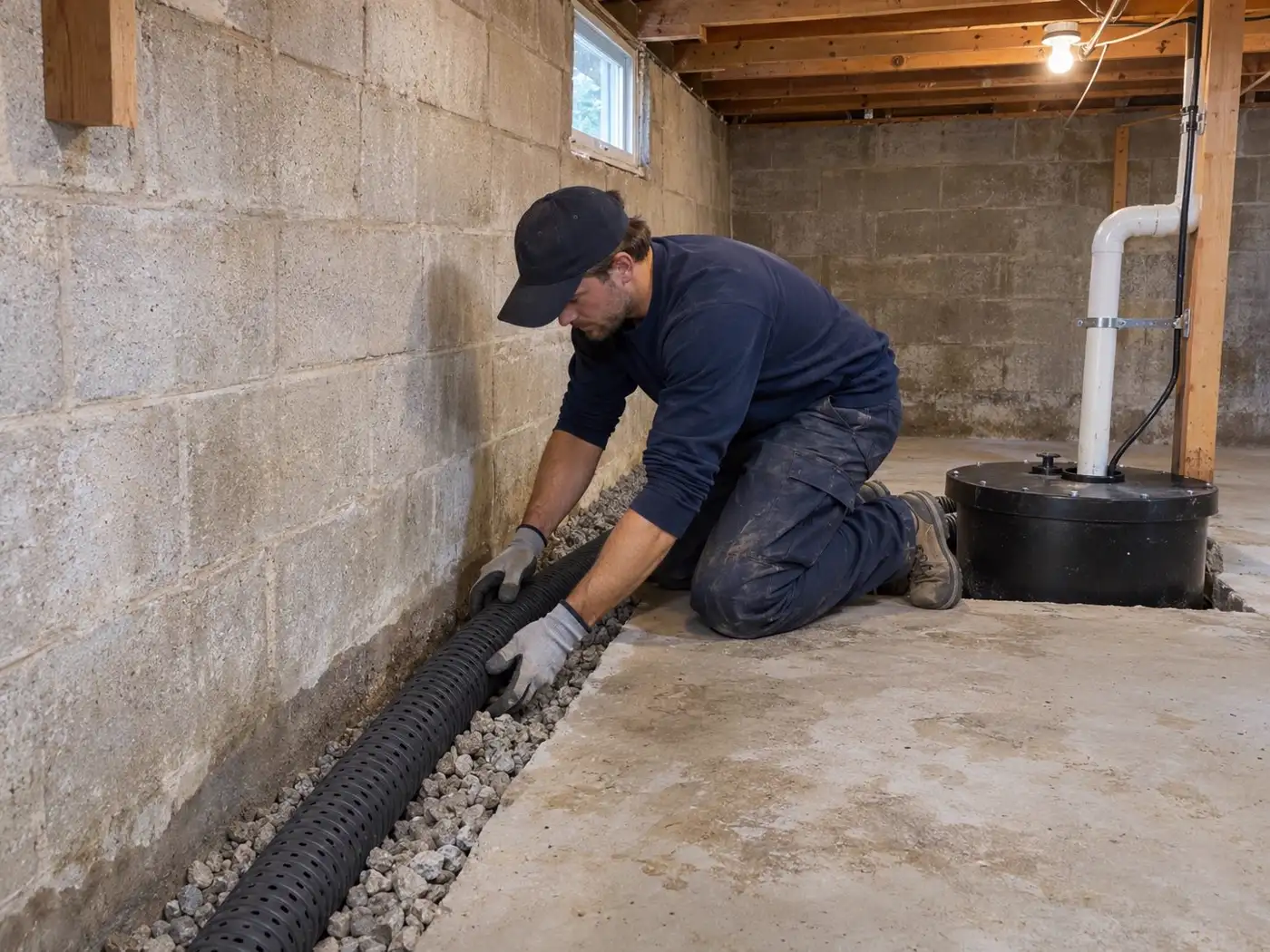
Homes built in Altoona's early decades often have block, clay tile or stone foundations. Many were never built with footing drains. Over time, mortar softens and small gaps open where water can wick through.
Common signs include damp lower courses of block, peeling paint and a musty smell in summer. These walls often do well with crack and joint repair plus interior drain tile that carries water to a sump.
Newer homes on Altoona's west side usually have poured walls and a sump pit from day one. That helps, but it does not rule out leaks. Backfill around a new foundation can settle for several years and leave low spots that hold water against the wall.
We often see shrinkage cracks, leaks at pipe penetrations and window wells that fill during heavy rain. Many of these can be handled with crack injection, regrading or window well covers and drains.
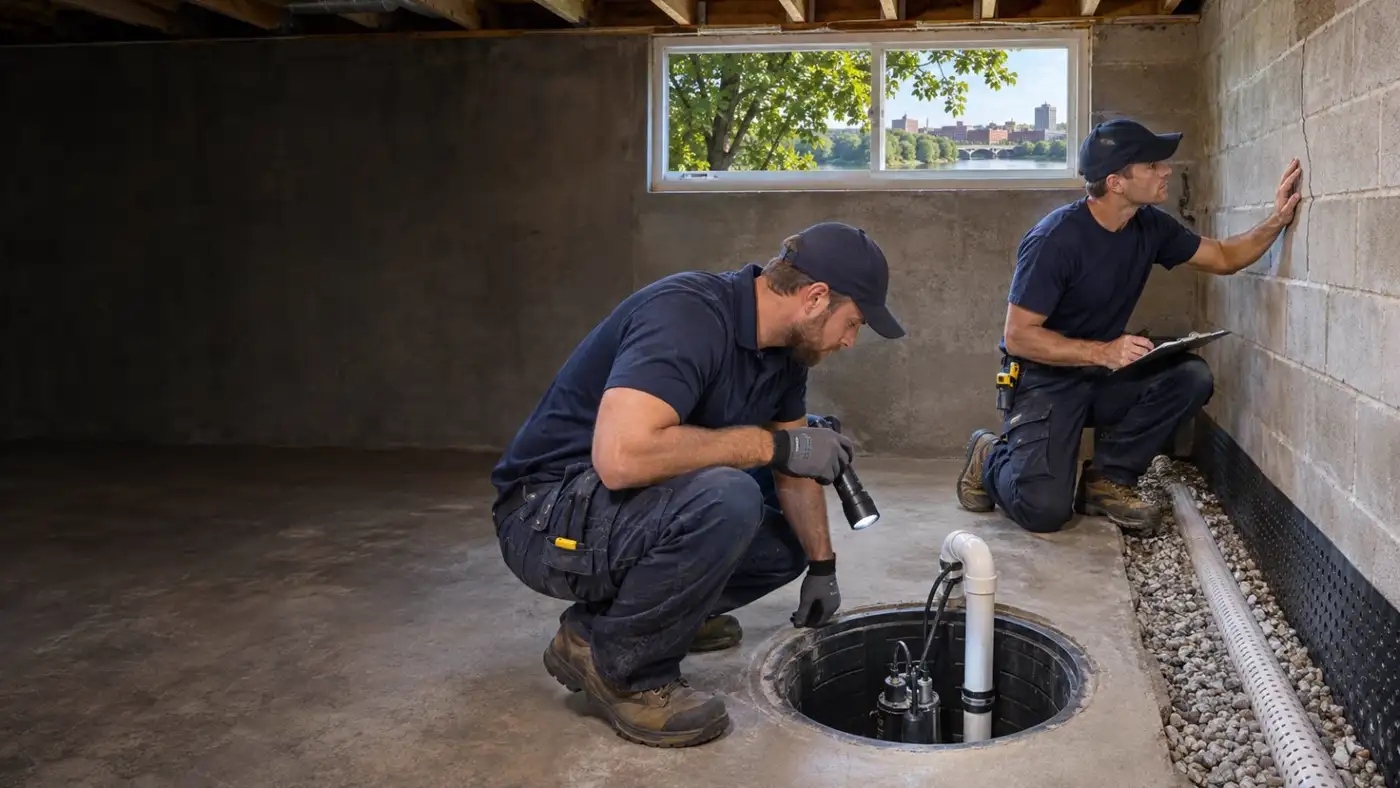
The Eau Claire River runs along Altoona, and Lake Altoona was formed upstream when a dam was built in 1938. Homes on lower ground near the river or the lake can see a higher water table, especially in spring.
When groundwater rises, it presses on the floor and the base of the walls. This hydrostatic pressure can push water up through the wall-floor joint. A working sump system is usually the main defense for these homes.
In Altoona, the busiest weeks for a sump pump are often in March and April. Snow melts fast, the ground below is still frozen and water has nowhere to go but toward the foundation. A pump that has sat idle all winter may stick or fail right when it is needed.
We can check float switches, check valves and discharge lines. We can also talk through battery backup options if a power outage during a storm worries you.
On flatter Altoona lots, roof water can pool near the house if downspouts dump it right at the corner. A single short downspout can soak one section of wall every time it rains.
Extending downspouts and building up soil so it slopes away from the house are simple steps. They do not fix every leak, but they often reduce how much water a basement has to handle.
Not every crack is a problem. Thin vertical cracks in poured walls are common and may only need sealing. Horizontal cracks, stair-step cracks in block or a wall that leans inward are different. Those can point to soil pressure from frost and saturated ground.
We measure and photograph cracks so you can see if they change over time. Then we explain which ones need repair now.
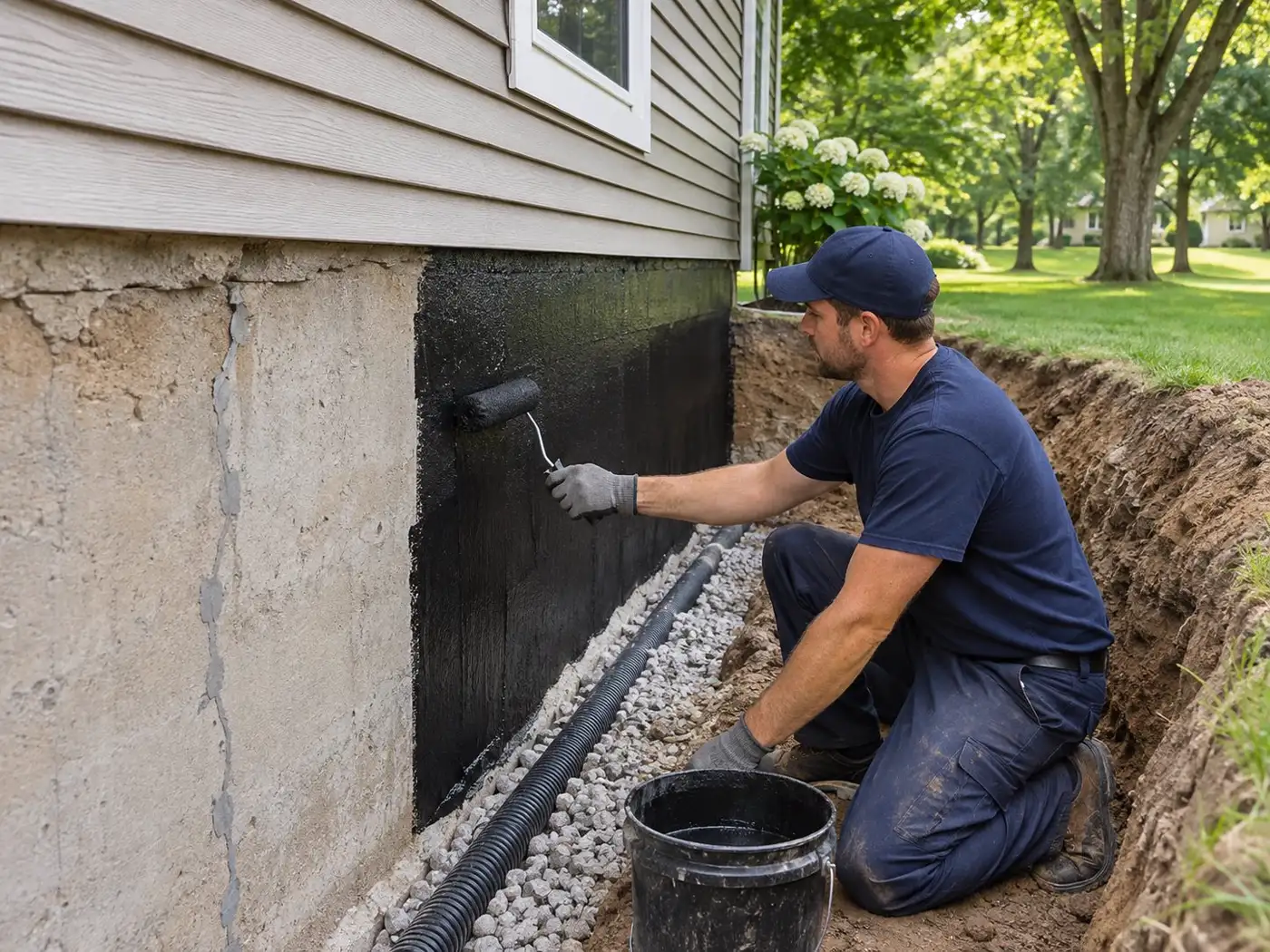
Let us know roughly when your Altoona home was built, where the water appears and how often it happens. A few photos of the wall, floor or sump pit help us understand the problem before we visit.
We work on Altoona's early railroad-era block walls and on newer poured foundations near River Prairie.
We look at the whole pump setup before Altoona's spring thaw puts it to the test.
We check Altoona grading and downspouts first, since simple drainage fixes can reduce basement water.
New homes can leak while backfill settles, which can leave soil sloping toward the wall. Shrinkage cracks, pipe penetrations and window wells are other common entry points. Many of these can be fixed with targeted repairs rather than a full waterproofing system.
Homes on lower ground near water often benefit from one, since the water table can rise in spring. A sump pump with good drain tile can relieve pressure under the floor. We can check whether your current system is sized and working well.
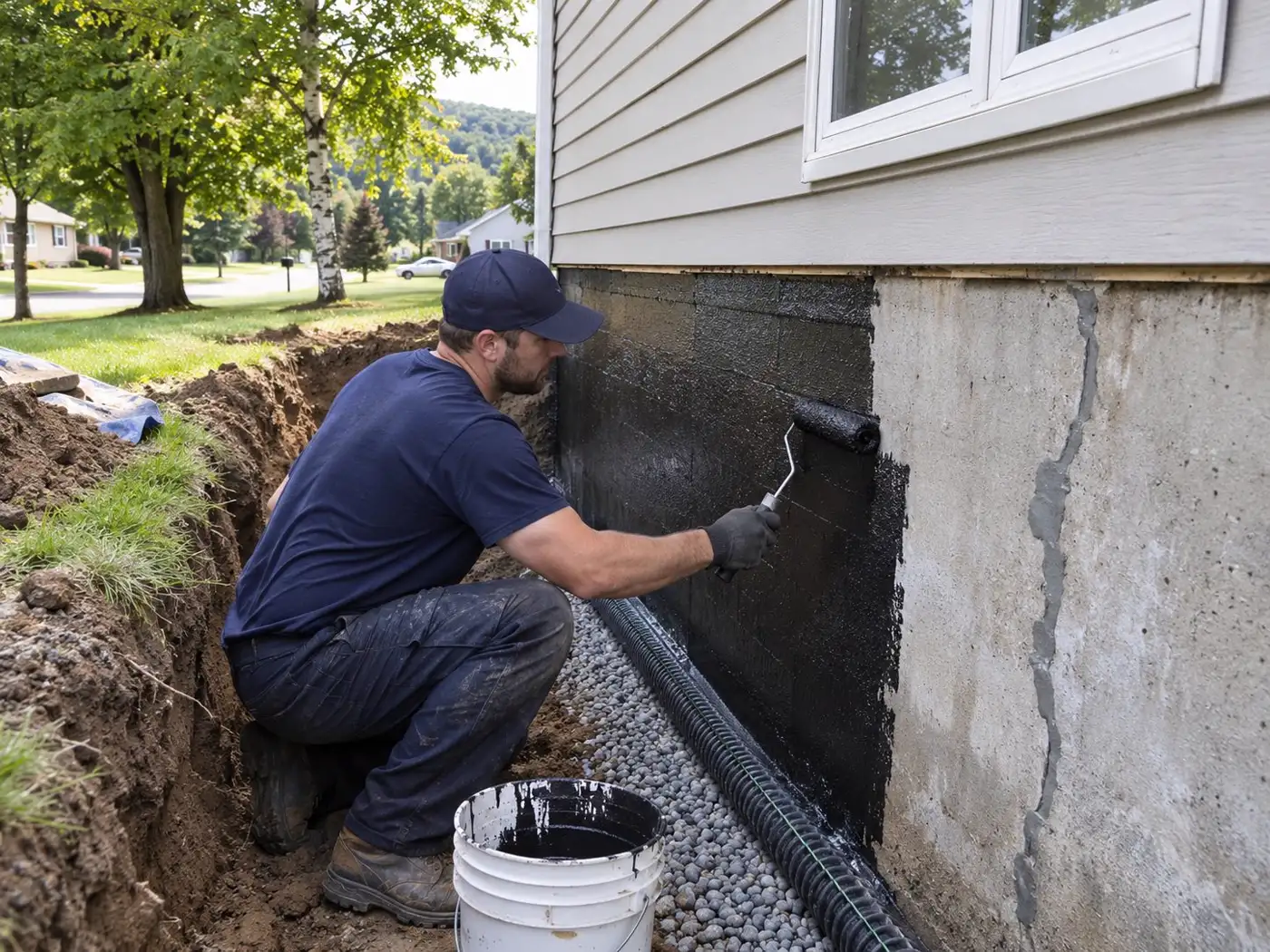
Older block walls often leak at mortar joints and at the base of the wall. Repairing cracks and joints, then adding interior drain tile and a sump, is a common approach. Exterior work can also help where yard access allows digging.
Need basement waterproofing in Altoona, WI? Call (715) 597-7139 to talk through the water you are seeing.
Get a Free EstimateCall (715) 597-7139
Free — no obligation