Wall and Floor Cracks
Foundation Crack Repair in Eau Claire
Send us a look at the crack that worries you.
A crack in a basement wall can be harmless shrinkage, a path for water, or a sign that soil is pushing on the foundation. The direction and width of the crack say a lot. Foundation crack repair in Eau Claire starts with reading the crack correctly before choosing a fix.
Many leaking cracks in poured walls can be sealed from inside with injection repair. Cracks that show movement may also need reinforcement. Block walls often call for a different approach. We explain what we see, what it likely means, and which repair fits.
A crack in a poured wall that lets water in can often be sealed by injecting material through ports set along its length. The material fills the crack through the full thickness of the wall. Flexible polyurethane is often used where water is the main concern and the crack may shift slightly.
For stable cracks where strength matters, an epoxy injection can bond the concrete on both sides back together. It cures hard and is usually chosen when the wall has stopped moving. A crack that is still opening is evaluated for reinforcement first, since rigid material may crack again beside the repair.
Carbon fiber straps bonded to the wall can help resist further inward movement where a wall shows early bowing or horizontal cracking. They are thin and sit close to the surface, so they work well in finished spaces. Walls that have moved more may need anchors or bracing instead.
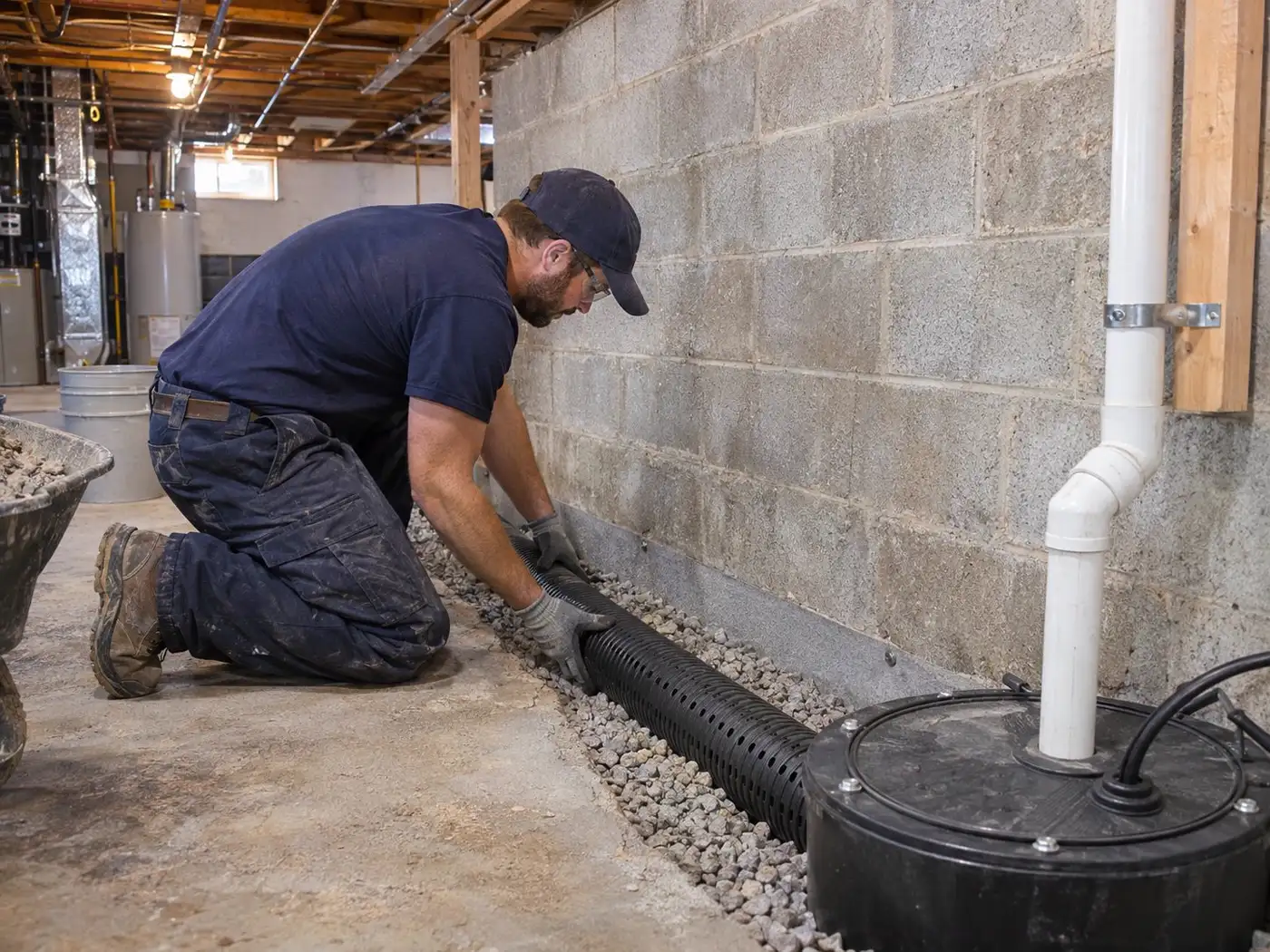
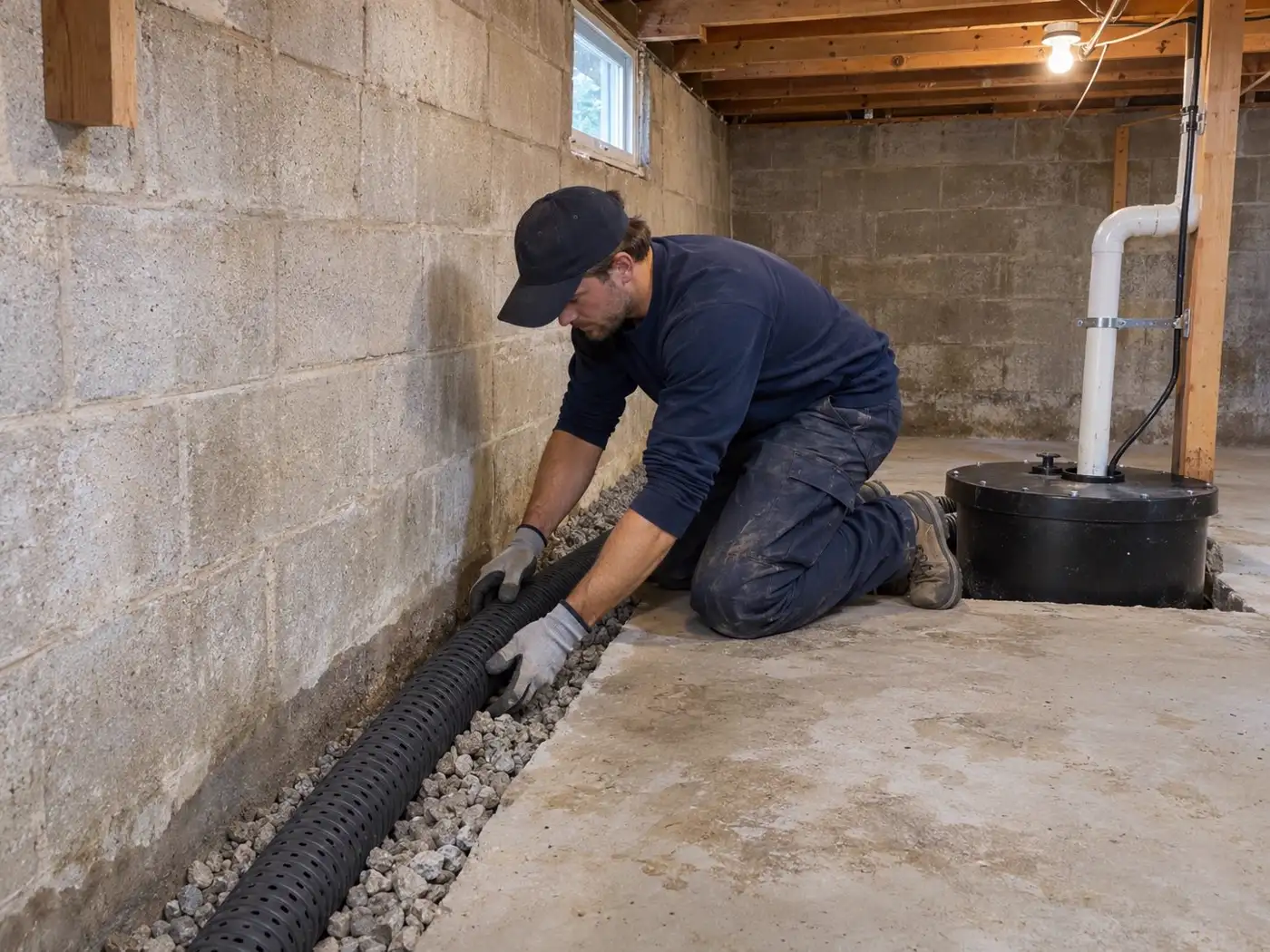
Stair-step cracks in block walls follow the mortar joints and may come from settling or soil pressure. Repair can involve repointing joints, sealing the crack, or reinforcing the wall. Because water spreads through hollow block cores, a leaking block wall may also need interior drainage to stay dry.
Most thin cracks in a basement slab are shrinkage and pose little structural concern. Floor cracks that seep water, lift unevenly, or keep widening may point to pressure under the slab. Sealing can stop minor seepage, while ongoing water often needs a drainage fix beneath the floor.
Almost every foundation develops some cracks. The direction, width, and location of a crack tell you a lot about what caused it and whether it needs attention.
Vertical or slightly angled cracks in poured walls are common. They often form as concrete shrinks while it cures, or as the house settles a little. Many stay hairline thin. The main concern is water, since even a narrow crack can leak when the soil outside is wet.
In concrete block walls, cracks tend to follow the mortar joints in a stair-step pattern. A small one may come from minor settling. A wide stair-step crack, or one paired with blocks shifting out of line, can point to soil pressure or footing movement.
A horizontal crack running along a wall, often a few feet below the top, is more serious. It usually means soil pressure is pushing the wall inward. These cracks call for a structural look, not just a seal. Our bowing wall repair page explains wall anchors and bracing in more detail.
Thin cracks in the basement slab are usually shrinkage and are rarely structural. A slab crack that lets water in, heaves upward, or keeps widening can mean water pressure under the floor.
Poured walls are one solid piece, so a crack is usually a single, clear path for water. That makes them good candidates for injection repair.
Block walls are built from many units held by mortar. Water can enter through hollow cores and spread inside the wall before it shows up somewhere else. A block wall with a leaking crack may need drainage work along with the crack repair.
For poured walls, a crack is often repaired by injecting material into it from the inside. Ports are set along the crack, the surface is sealed, and the material is pumped in until it fills the depth of the wall.
Epoxy cures hard and can bond the two sides of the crack back together. It is often chosen when the crack is stable and some strength is wanted. Polyurethane stays flexible and expands as it cures. It is often chosen for leaking cracks that may move a little with the seasons.
When a wall has started to bow or a crack shows signs of structural movement, carbon fiber straps or similar reinforcement can be bonded to the wall. They help resist further inward movement. They do not push a wall back to plumb, so they work best on walls that have moved only a small amount.
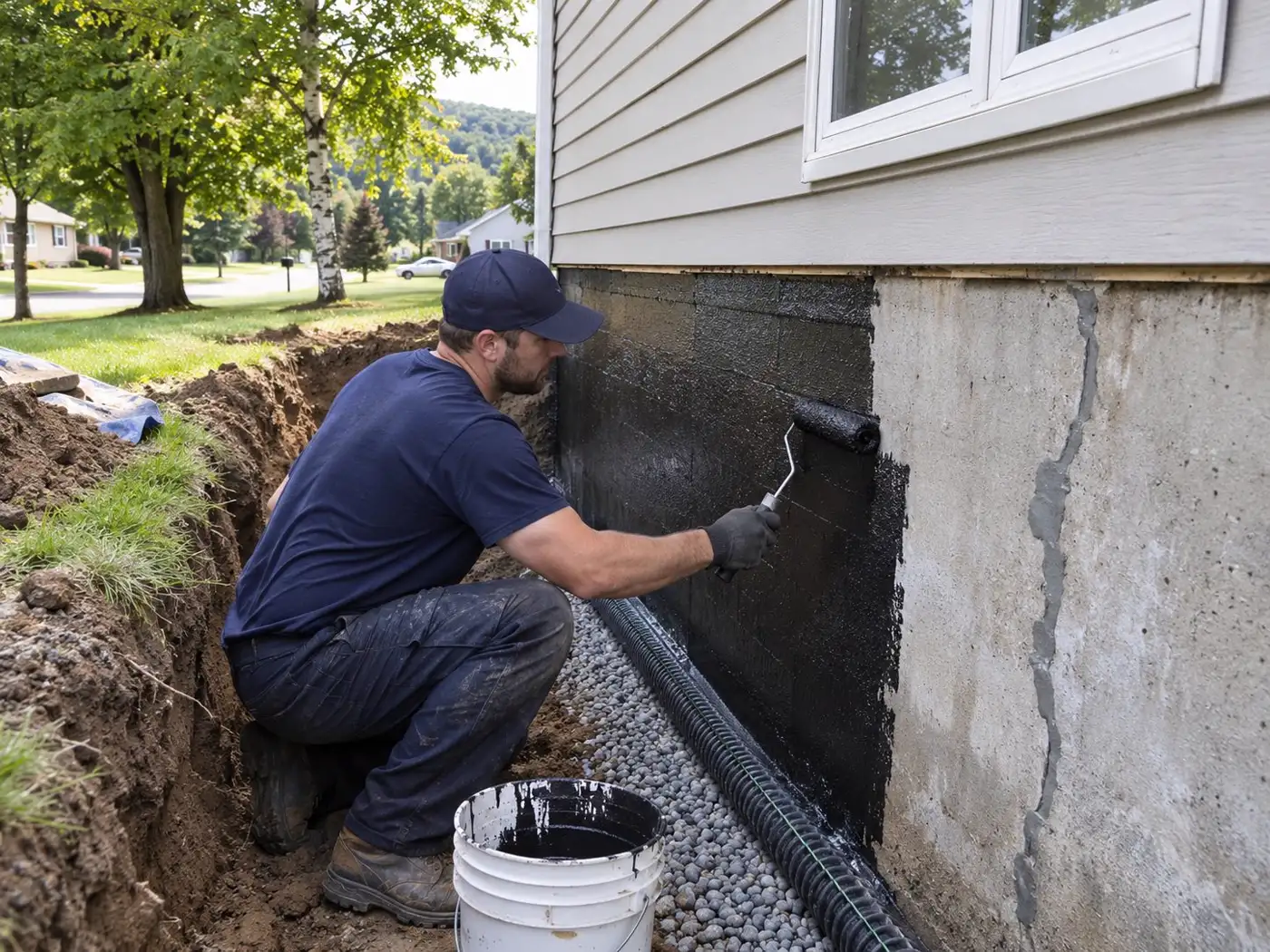
Sealing a crack fixes the crack. It does not fix poor grading, overflowing gutters, or a missing drain system. If water keeps finding new paths, we look at the drainage around the house as well.
Wisconsin winters put real stress on foundations. Frost can reach several feet into the soil, and freeze-thaw cycles let water enter a crack, freeze, and widen it a little more each year.
Sandy outwash soils across much of the Chippewa Valley drain well but can sit over a high water table near the rivers. Pockets of clay expand when wet and press harder on walls. Heavy spring snowmelt adds a sudden load of water, which is when many cracks first start to leak.
Eau Claire's housing spans more than a century. Homes on the Eastside Hill and in older neighborhoods near downtown may have block or stone walls with years of small cracks and patched joints. Hillside lots can push more water and soil pressure against the uphill wall.
Newer homes on the south side and out toward the edges of the city usually have poured walls, where shrinkage cracks are the most common issue. In both cases, we start by looking at the crack itself, then explain whether it needs sealing, reinforcement, or simply monitoring.
We read the direction, width, and location of each crack before recommending a repair.
Poured and block walls behave differently, so we match the repair to how your wall was built.
If a crack only needs monitoring, we say so, and we explain when structural help is wise.
Found a crack in your basement wall or floor and not sure what it means? Tell us what it looks like and where it is.
Get a Free EstimateCall (715) 597-7139
Free — no obligation
We note the crack direction, width, length, and whether it leaks, has moved, or shows efflorescence and staining.
We look at wall type, nearby cracks, bowing, grading, gutters, and downspouts that may be adding water or pressure.
We explain whether injection, reinforcement, block repair, or monitoring fits, and why that choice suits the crack.
The crack is cleaned, prepared, and sealed or reinforced using the method chosen for your wall and conditions.
We suggest how to check the repair after heavy rain, snowmelt, and frost so any new movement is caught early.
No. Thin vertical cracks in poured walls are very common and often come from concrete shrinking as it cured. They matter mainly if they leak. Horizontal cracks, wide stair-step cracks, or cracks that keep growing are more likely to signal pressure or movement and deserve a closer look.
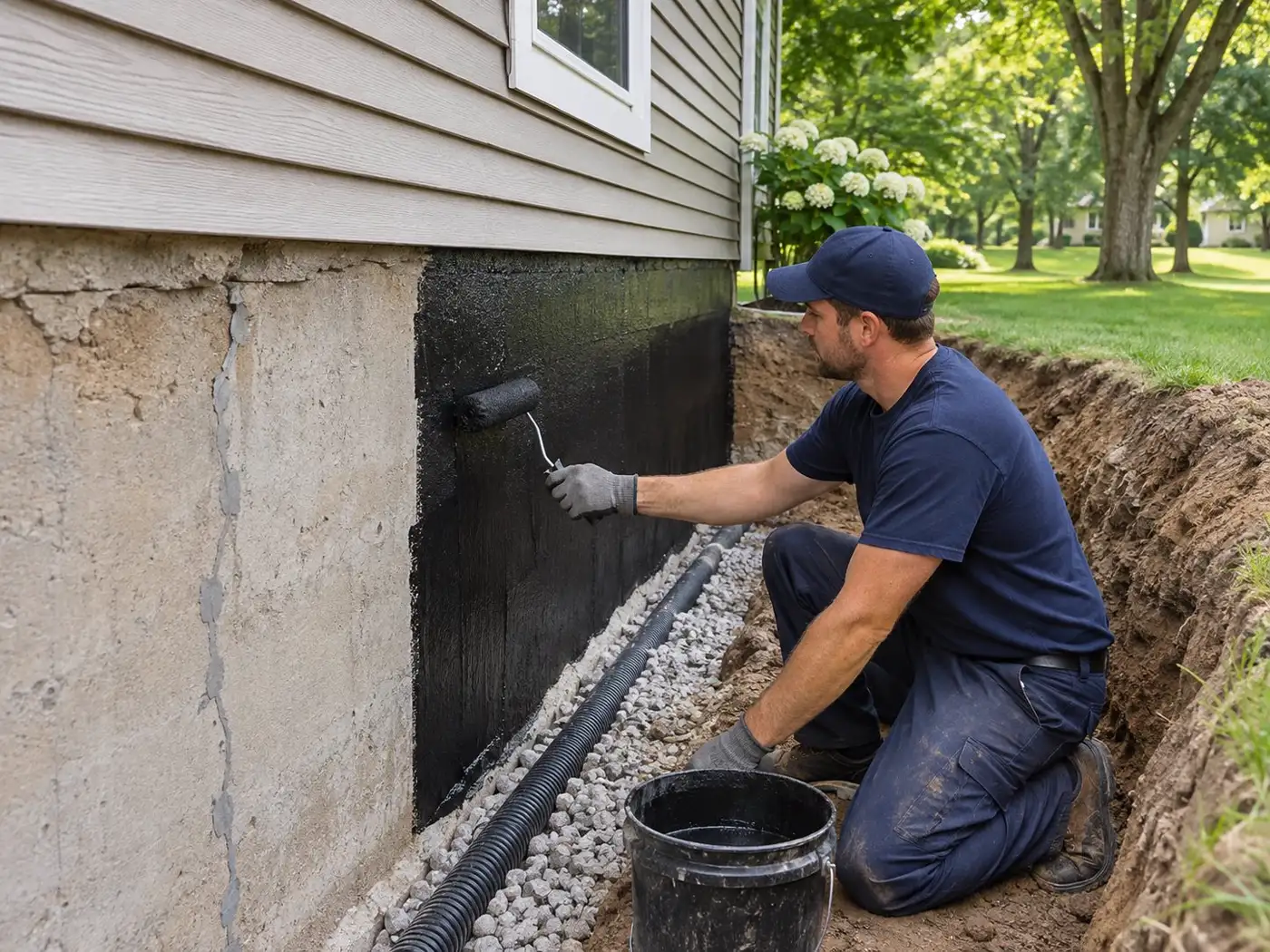
Many cracks in poured walls can be sealed from inside with injection, which avoids digging. Exterior repair may make sense when the wall also needs a membrane, when excavation is already planned, or when a block wall is leaking through several joints. The crack and wall type guide the choice.
Yes. Surface patches like hydraulic cement often sit only on the face of the crack, so water can still travel through the wall behind them. A crack that moves with the seasons can also break a rigid patch. Injection that fills the full depth of the crack usually holds better.
Spring brings snowmelt and rain on ground that may still be frozen below the surface. Water collects against the foundation and builds pressure, and a crack that stays dry most of the year can leak for a few weeks. Sealing the crack and improving drainage near the wall can help.