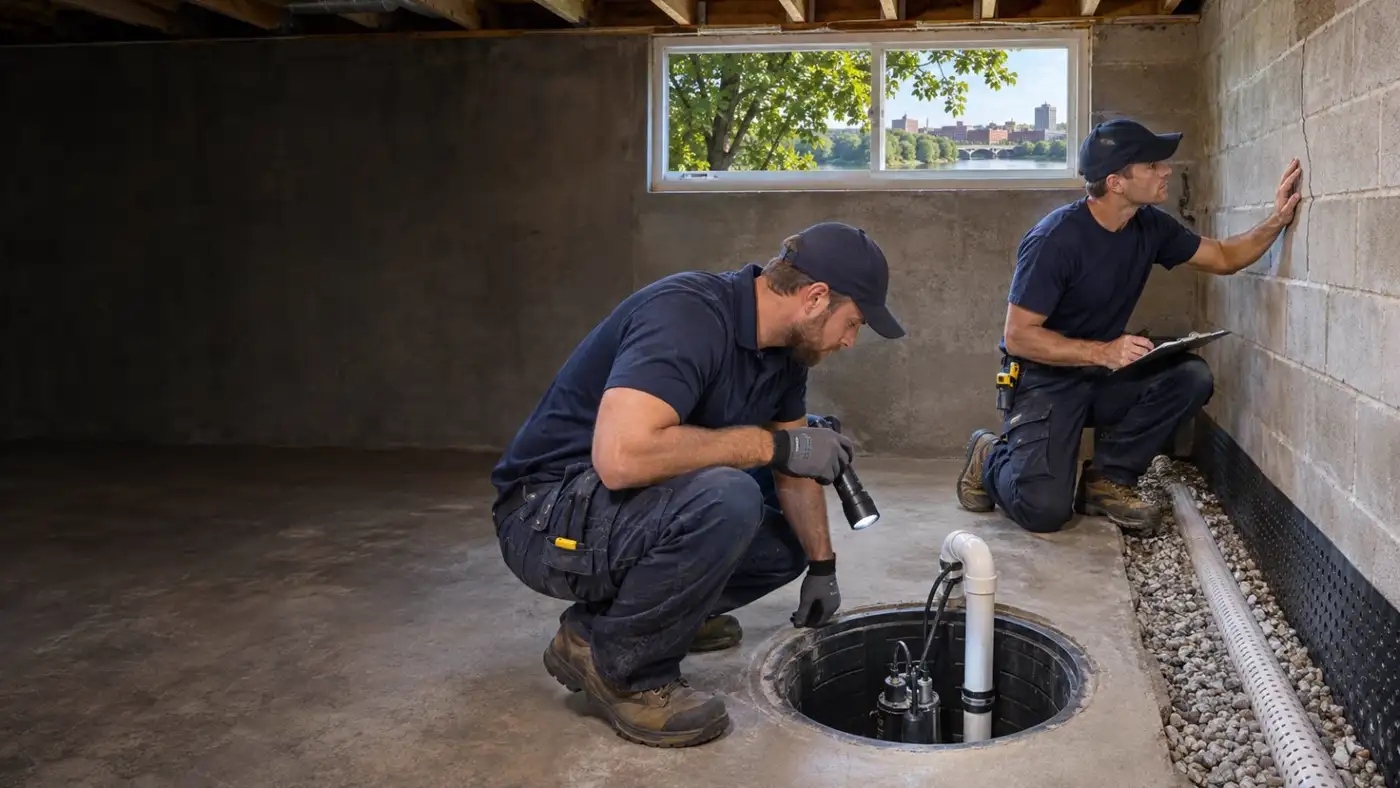
Colfax Basement Waterproofing
Basement Waterproofing in Colfax, Wisconsin
Start with a clear look at your Colfax, WI basement.
Colfax grew up where Eighteen Mile Creek meets the Red Cedar River in northern Dunn County. Settlers arrived in the 1860s, a grist mill went up on the creek, and the village incorporated in 1904. Many homes along the older streets date from those early decades, while newer houses and rural properties spread out along WI-40 and WI-170.
We help Colfax, WI homeowners with seeping walls, water at the base of the stairs, cracked foundations, and basements that stay damp long after a storm. We take time to trace how water reaches your home before we suggest a fix. Call (715) 597-7139 and tell us what you have noticed.
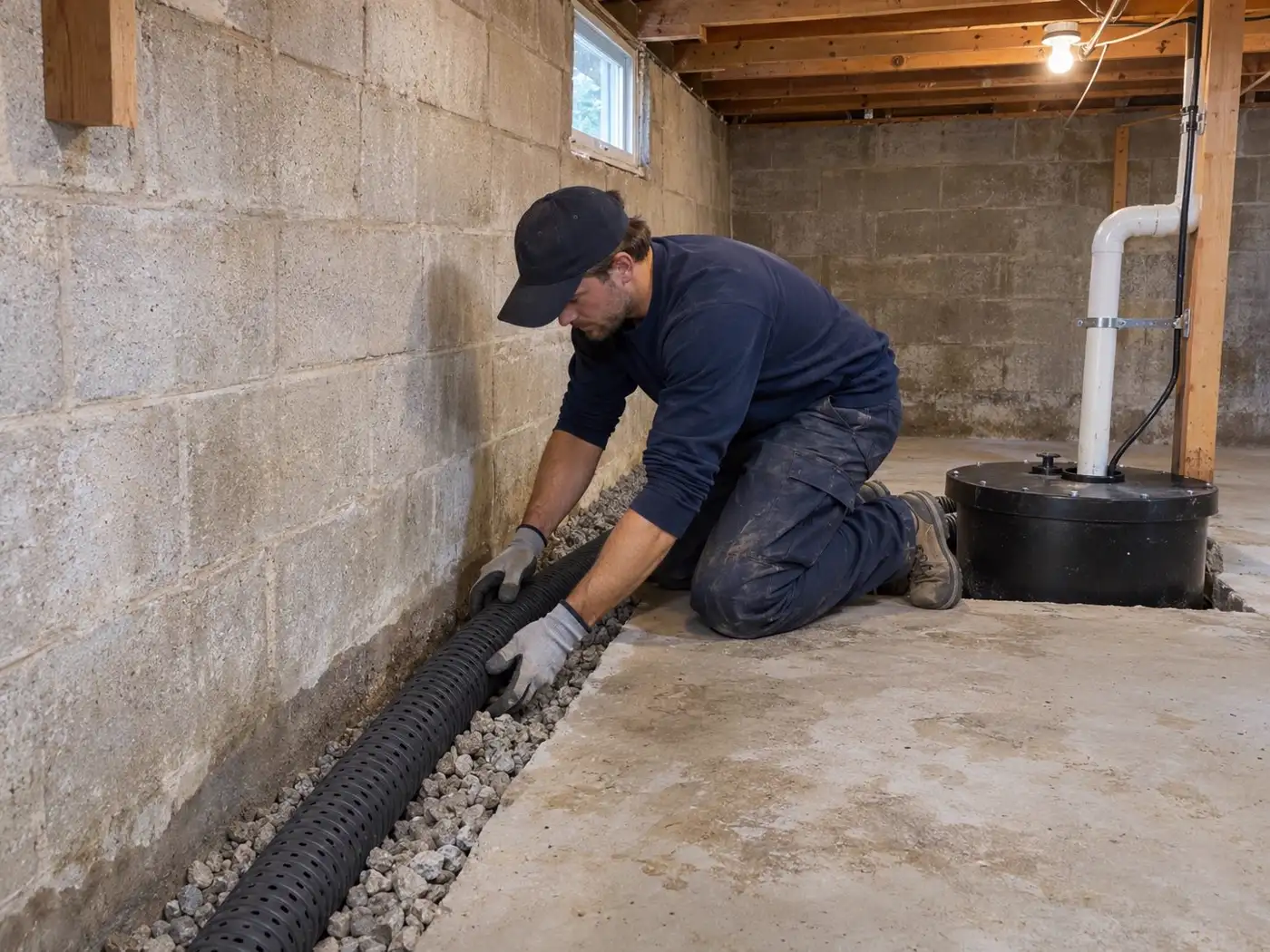
Homes built in Colfax in the early 1900s often sit on stone, brick, or early concrete foundations. These walls were laid without the coatings and drain tile used today. Over time, mortar can wash out and leave gaps that let water through during wet seasons.
Repointing loose joints, improving drainage outside, and adding interior drain tile can each play a part. Which ones make sense depends on how the wall is holding up.
Eighteen Mile Creek and the Red Cedar River have shaped Colfax from the start. Local history records a 1905 flood that washed out the creek dam, and later floods damaged the power plant on the Red Cedar. Lower ground near the water can hold more moisture, especially in spring.
Even so, most basement leaks come from water close to the house, like roof runoff and poor grading. We check those first.
Colfax winters are long, and the ground can stay frozen well into spring. When snow melts on top of frozen soil, water pools along the foundation and finds the weakest spot. Many basements leak only during these few weeks.
If your basement takes on water mainly in March or April, that pattern helps us narrow down the cause. A sump pump, interior drainage, or better grading may help.
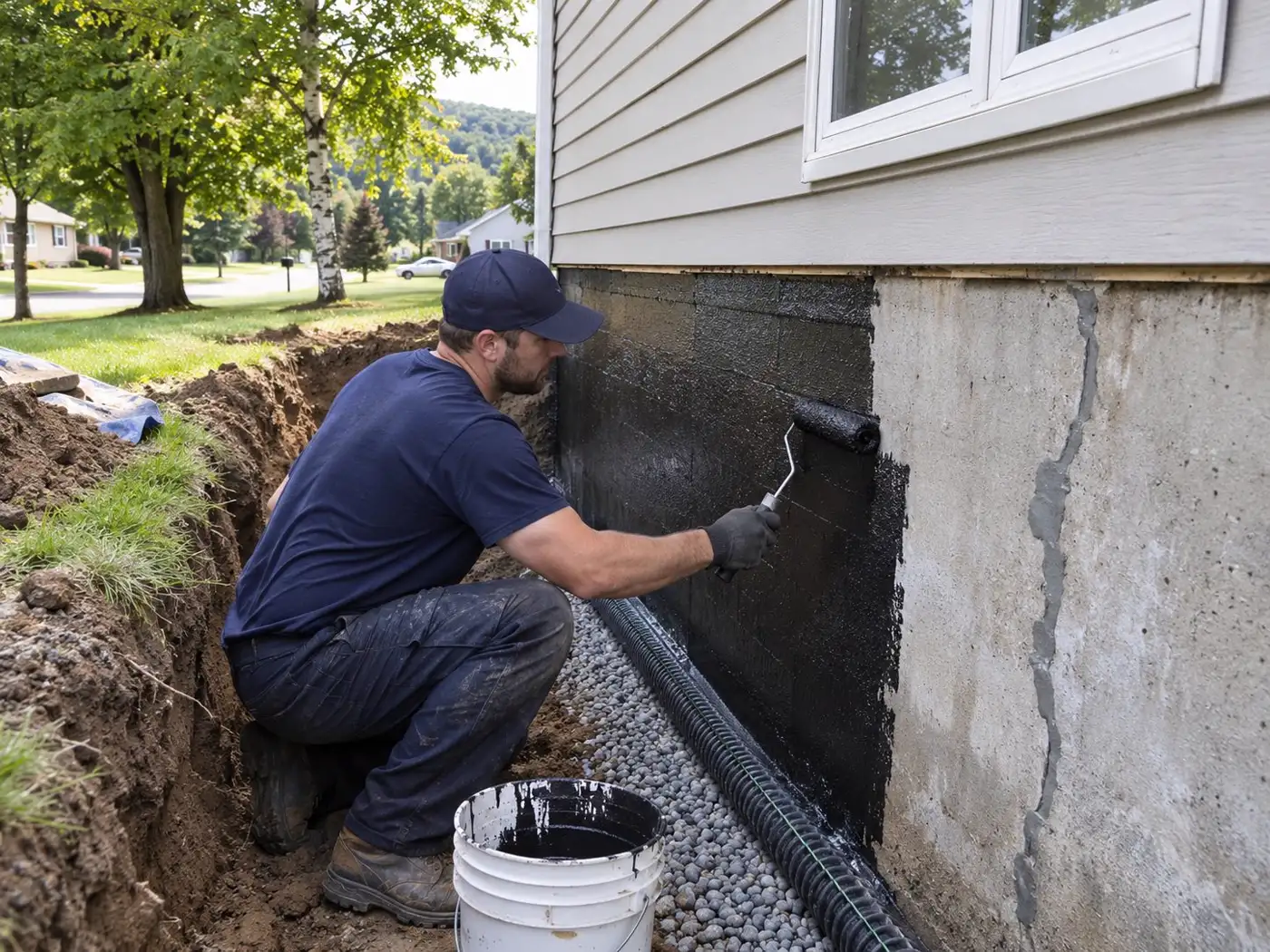
Many homes built after the 1940s, in Colfax and across the region, have concrete block basements. Block walls can crack along the mortar lines when saturated soil freezes and pushes on them. A long horizontal crack or a wall that leans inward is a sign of that pressure.
We measure the movement and look at the drainage around that wall. Some walls need bracing or anchors, while others mainly need the water around them managed.
Beyond the village limits, many homes sit on acreage with private wells and septic systems. Sump discharge needs to drain away from both. Outbuildings, long driveways, and fields can also change how water moves across a property.
We walk the area around the house to see where runoff goes during storms and thaw, then plan drainage that fits the land.
A musty basement often means humidity is high even if you never see standing water. White crust on walls, rust on metal shelving, and damp boxes are common signs. Older Colfax homes with stone walls can show all of these.
Controlling the water outside and running a dehumidifier inside can often make a real difference. We explain what each step may do for your home.
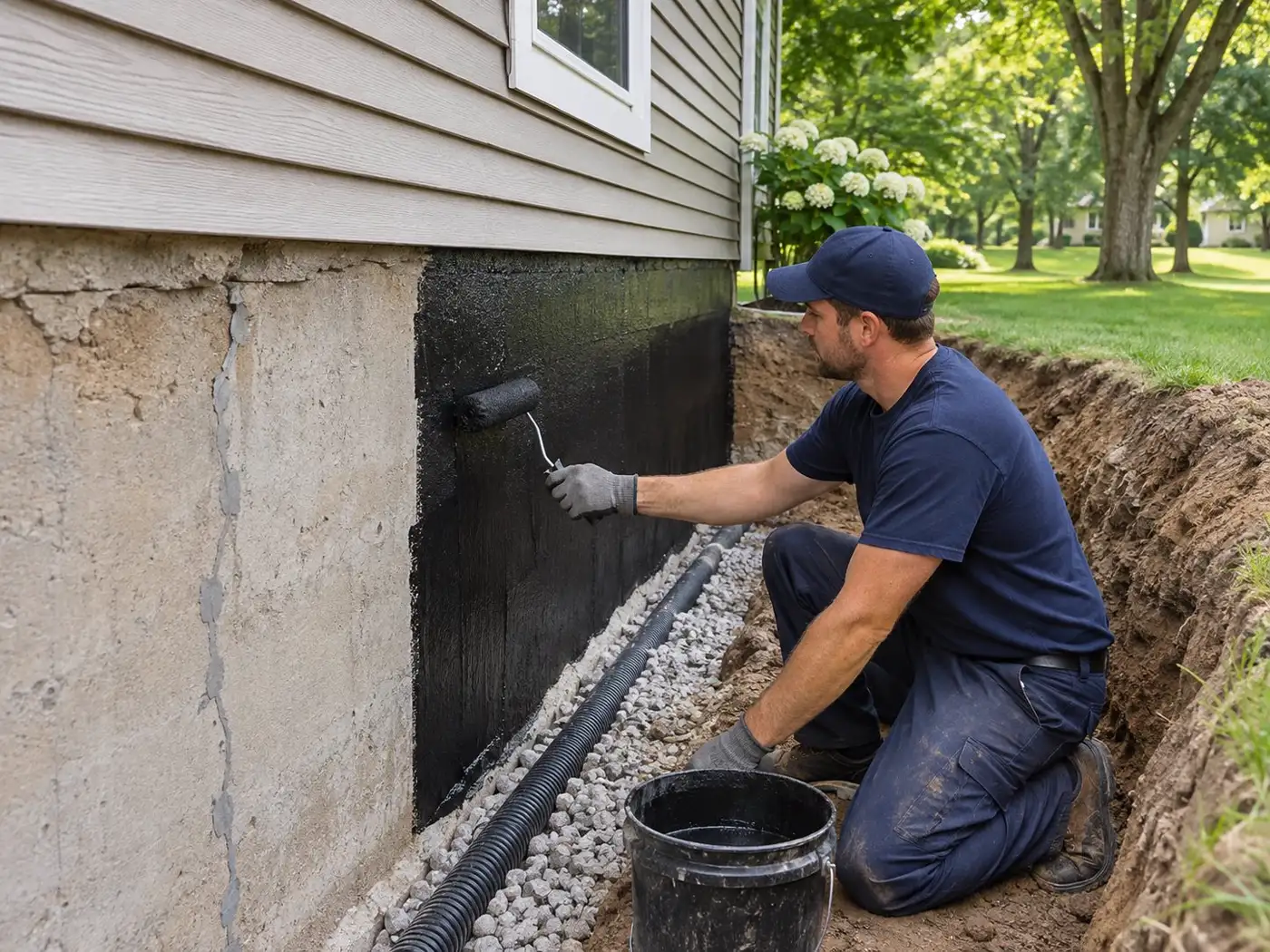
Whether your house is a few blocks from the old sandstone depot that now holds the Colfax Railroad Museum or out on a country road, we can help you understand your basement and your options. Tell us what is happening and we will help you plan the next step.
We understand the stone, brick, and early concrete foundations under many older homes in Colfax.
We consider low ground near Eighteen Mile Creek and the Red Cedar River when tracing basement water.
We work on homes inside the village and on acreage along WI-40 and WI-170 outside Colfax.
Often, yes, if the house is otherwise in good shape. Stone basements in older Colfax homes can be made drier with outside drainage work, repointing, interior drain tile, and humidity control. The goal is usually a basement that is dry enough for storage, laundry, and mechanicals.
Low ground near the creek or the Red Cedar River may stay wetter, especially in spring. But many leaks still come from gutters, downspouts, and grading close to the house. We look at both the site and the foundation before deciding what is causing the water.
Spring leaks usually come from snowmelt on top of frozen ground. The water cannot soak in, so it collects along the foundation and enters through cracks or the wall-floor joint. Better grading, downspout extensions, and a working sump pump often help during those weeks.
Seeing water or dampness in your Colfax, WI basement? Give us a call at (715) 597-7139 to talk it over.
Get a Free EstimateCall (715) 597-7139
Free — no obligation